Hay Bale Net Wrap Buying Guide
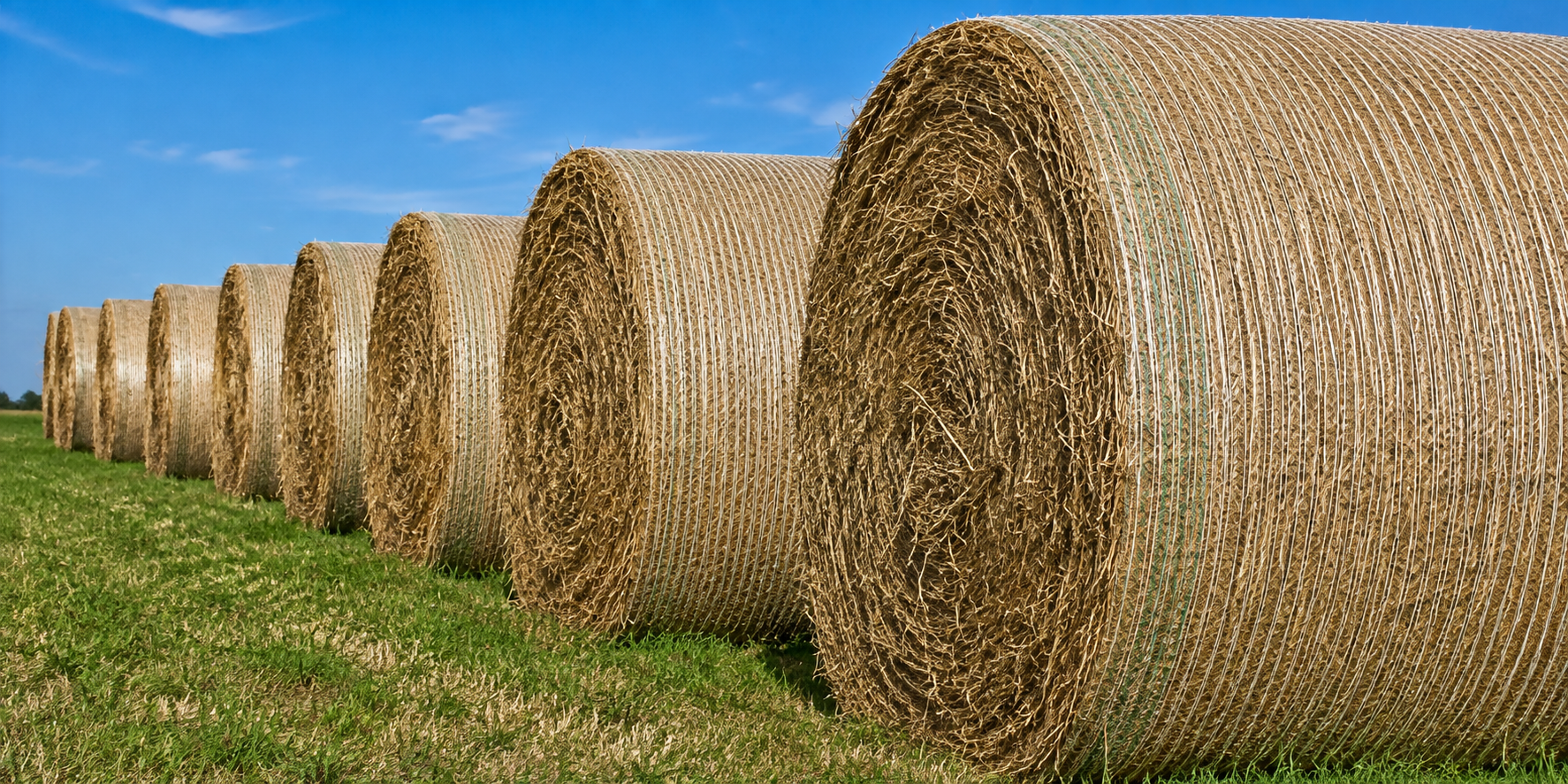
Hay Bale Net Wrap Buying Guide
A practical guide to HDPE and natural fiber bale net wrap, covering materials, performance, applications, and key factors to consider when choosing the right net wrap for your baling needs.
What Is Bale Netting?
Bale netting is designed to securely wrap hay, straw, and other forage bales, helping maintain a compact and uniform shape during handling, storage, and transportation. Compared with traditional baling twine, netting provides faster and more even bale coverage, improving baling efficiency and reducing crop loss.
Different materials are available for different baling requirements. PrimeAgro offers conventional bale net wrap for efficient, high-strength baling, as well as jute bale netting for customers looking for a natural fiber alternative.
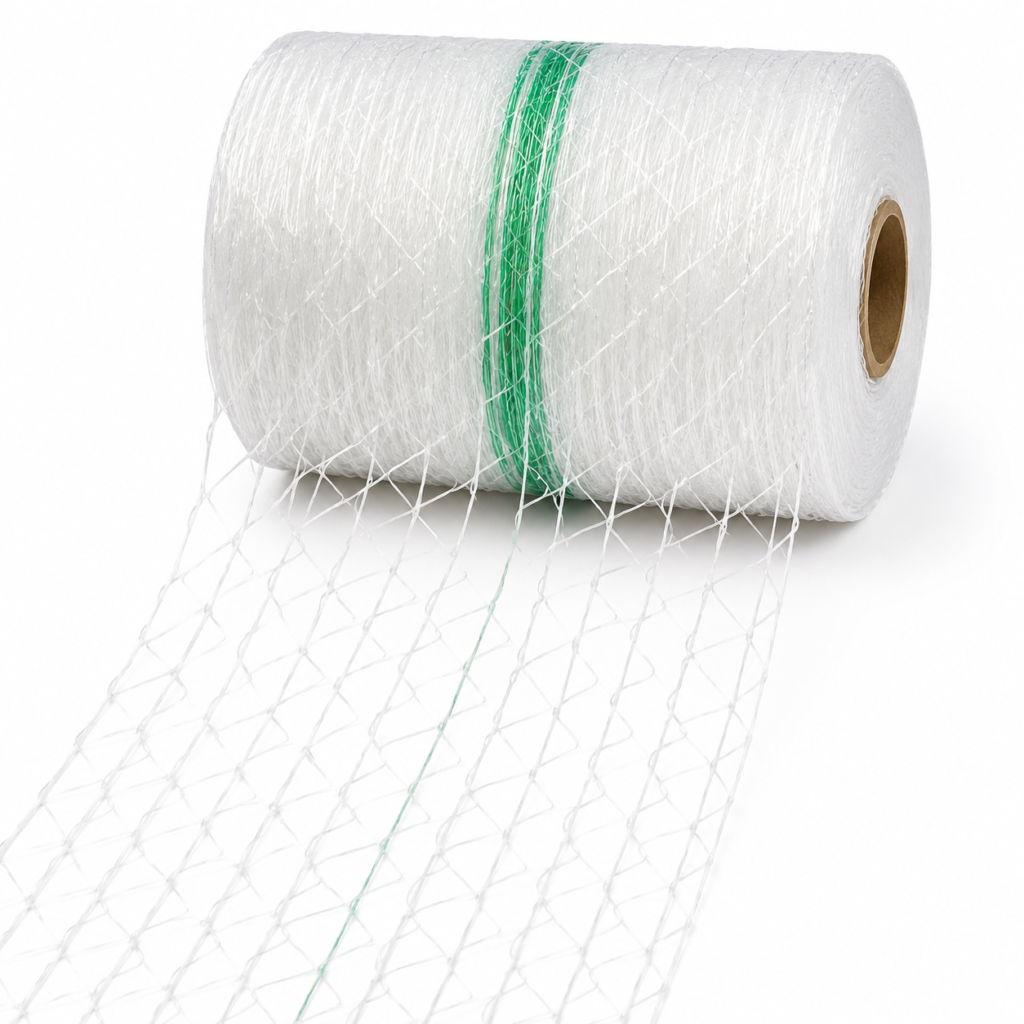
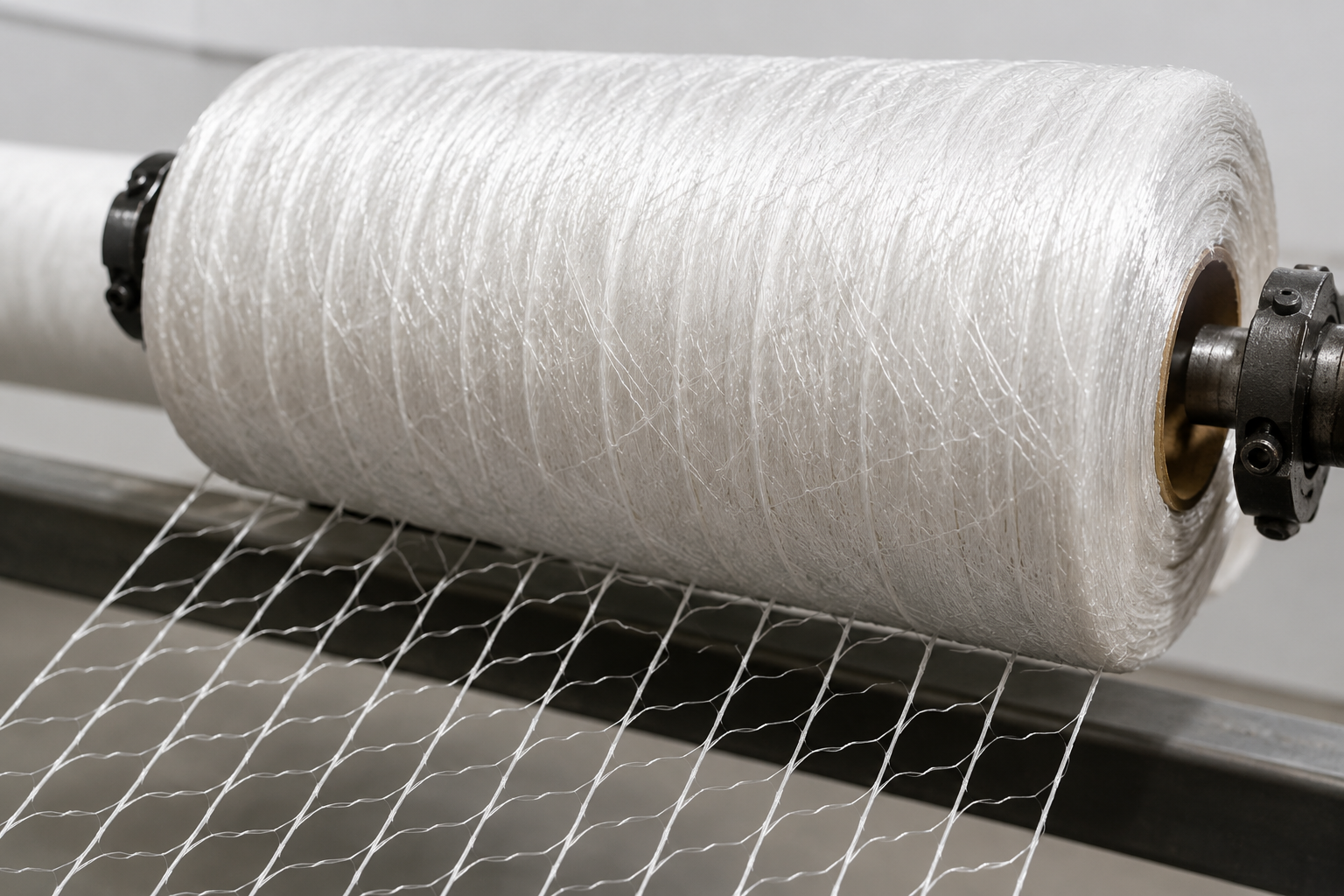
Close-up of High-Strength Bale Net Wrap
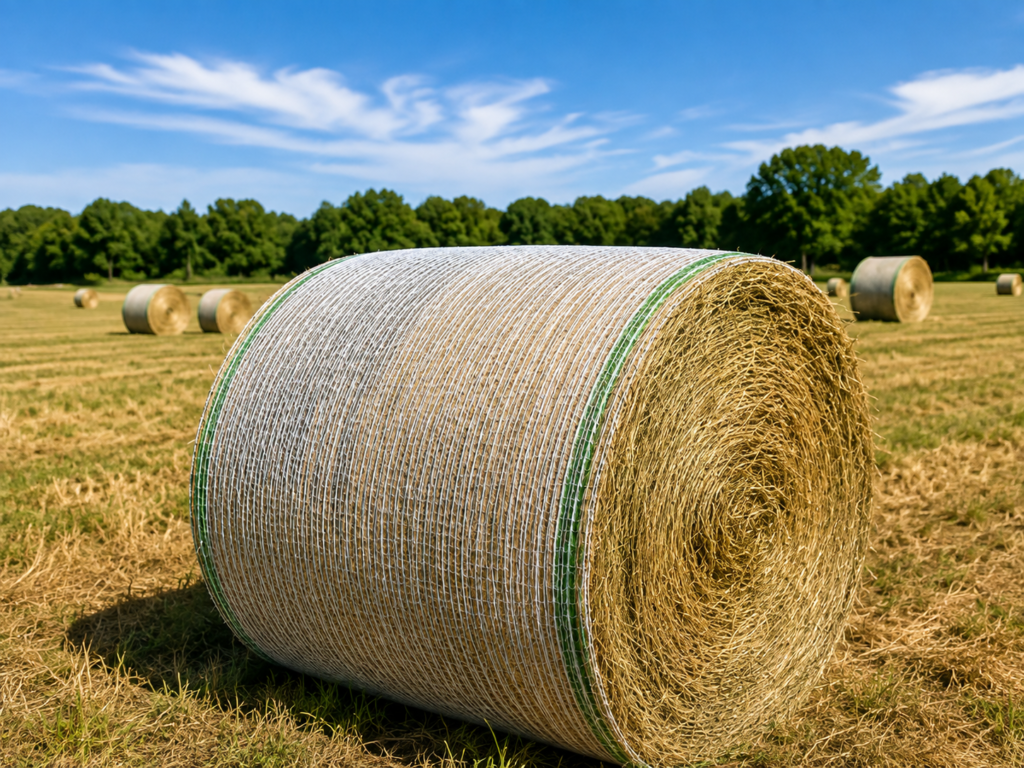
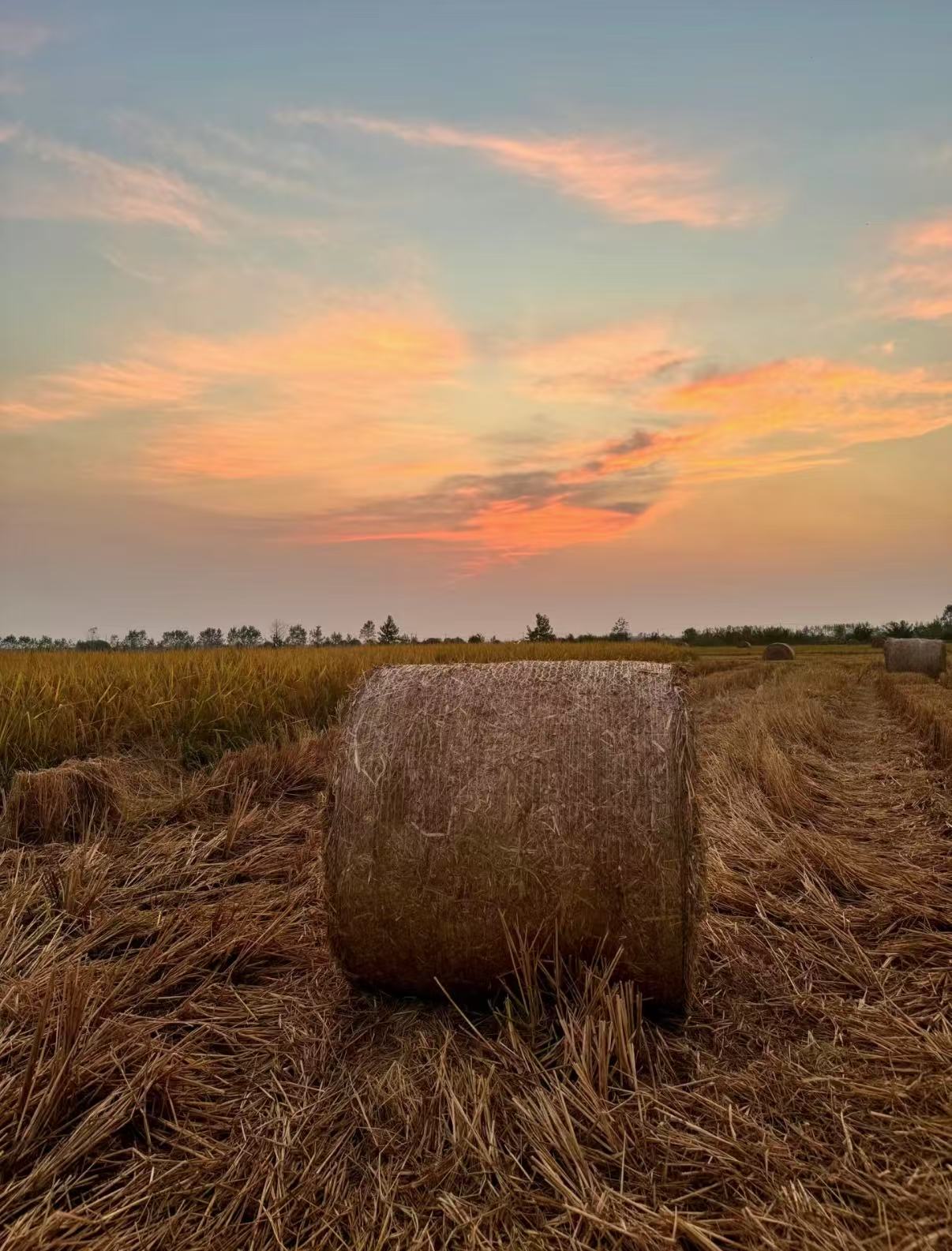
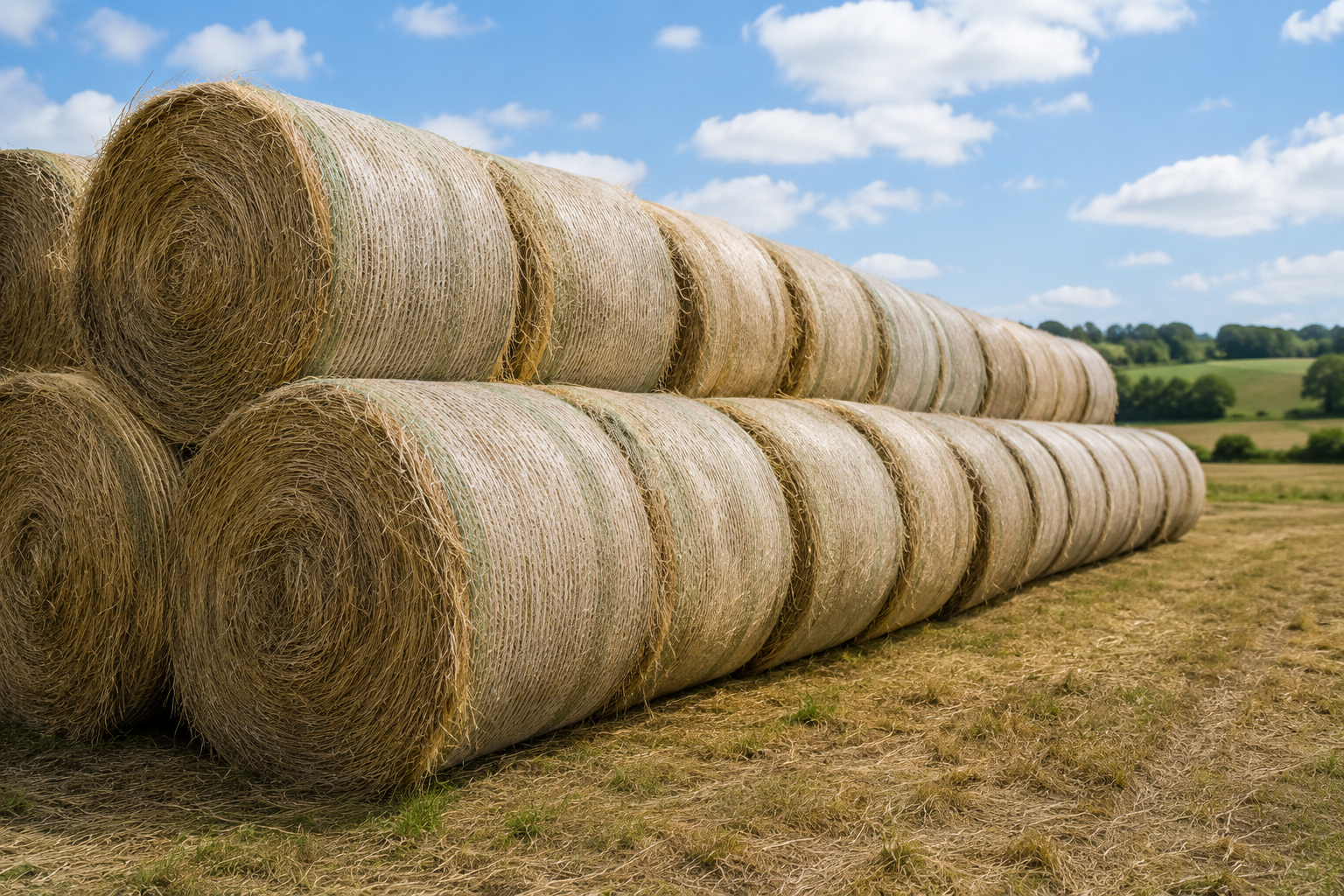
Bale Net Wrap for Round Hay Bales
Detailed view of lightweight bale net wrap designed for strong, uniform and secure bale coverage.
Designed to keep round hay bales compact and stable during handling, storage and transportation.
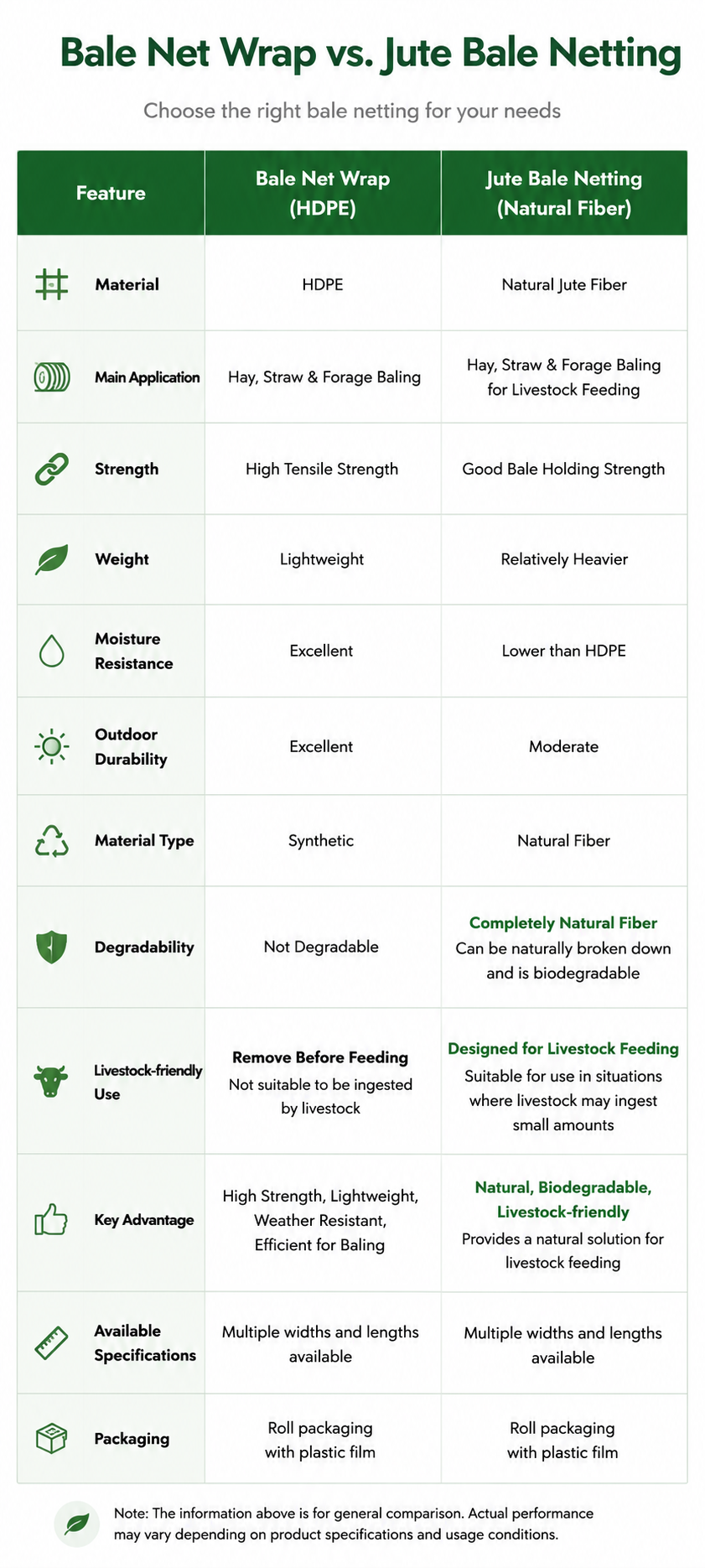
Bale Net Wrap vs. Jute Bale Netting
Both Bale Net Wrap and Jute Bale Netting are designed to secure hay and forage bales, but they differ in material, performance, and suitable applications. Bale Net Wrap provides high strength, lightweight handling, and reliable performance for modern baling operations, while Jute Bale Netting offers a natural fiber solution for customers seeking an alternative to synthetic netting.
HDPE Bale Net Wrap
Made from lightweight, high-strength HDPE, bale net wrap provides fast and uniform coverage for round hay and straw bales. It offers excellent tensile strength, moisture resistance and durability for storage, handling and transportation.
Key Features
• High-Strength HDPE Material
• Fast & Uniform Bale Coverage
• Excellent Tensile Strength
• Moisture & Weather Resistant
• Easy Handling & Transportation
Jute Bale Netting
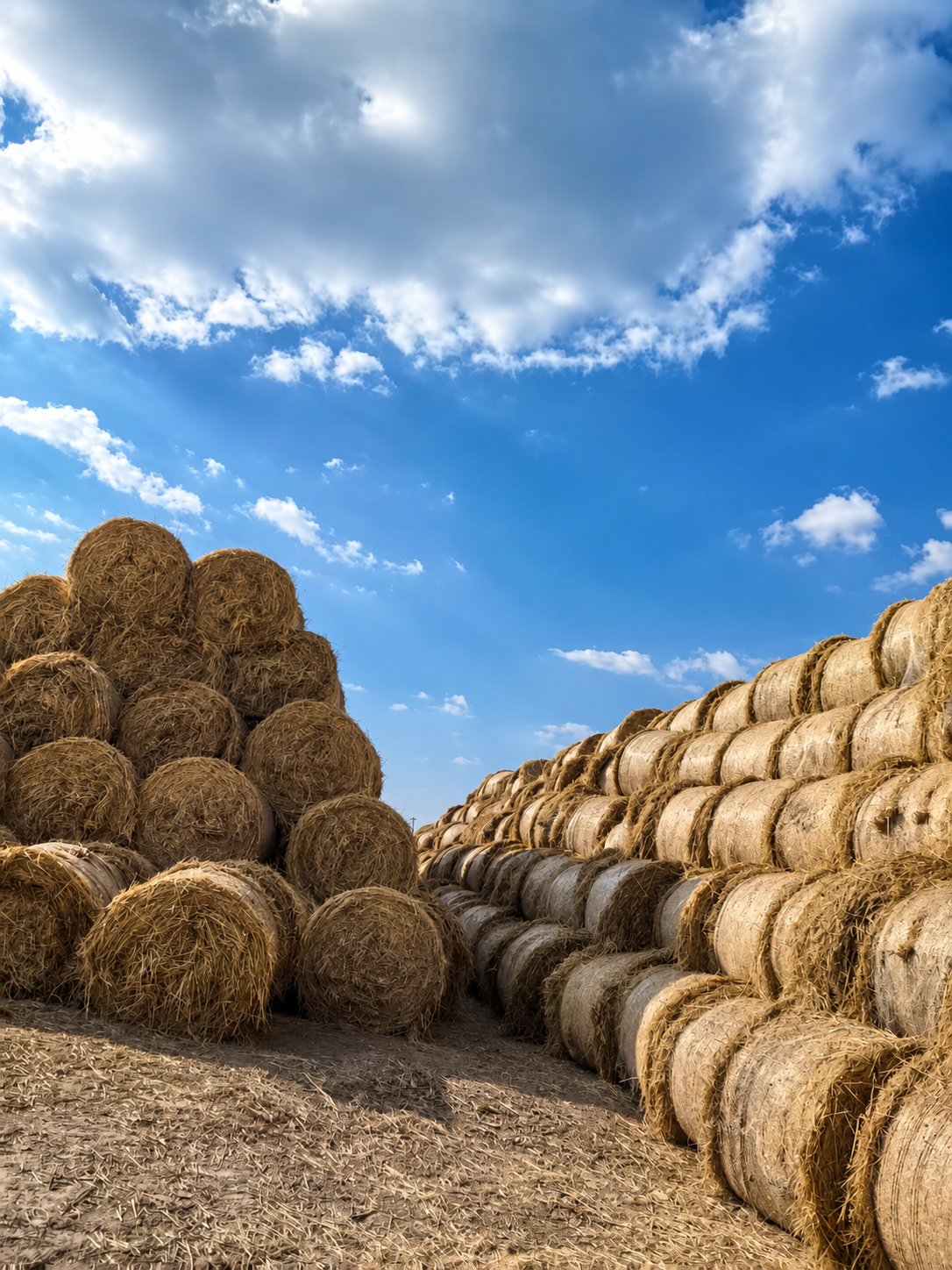
Made from natural jute fiber, jute bale netting provides secure bale holding while offering a natural alternative to synthetic netting. It is especially suitable for livestock feeding applications where animals may ingest the netting together with the forage.
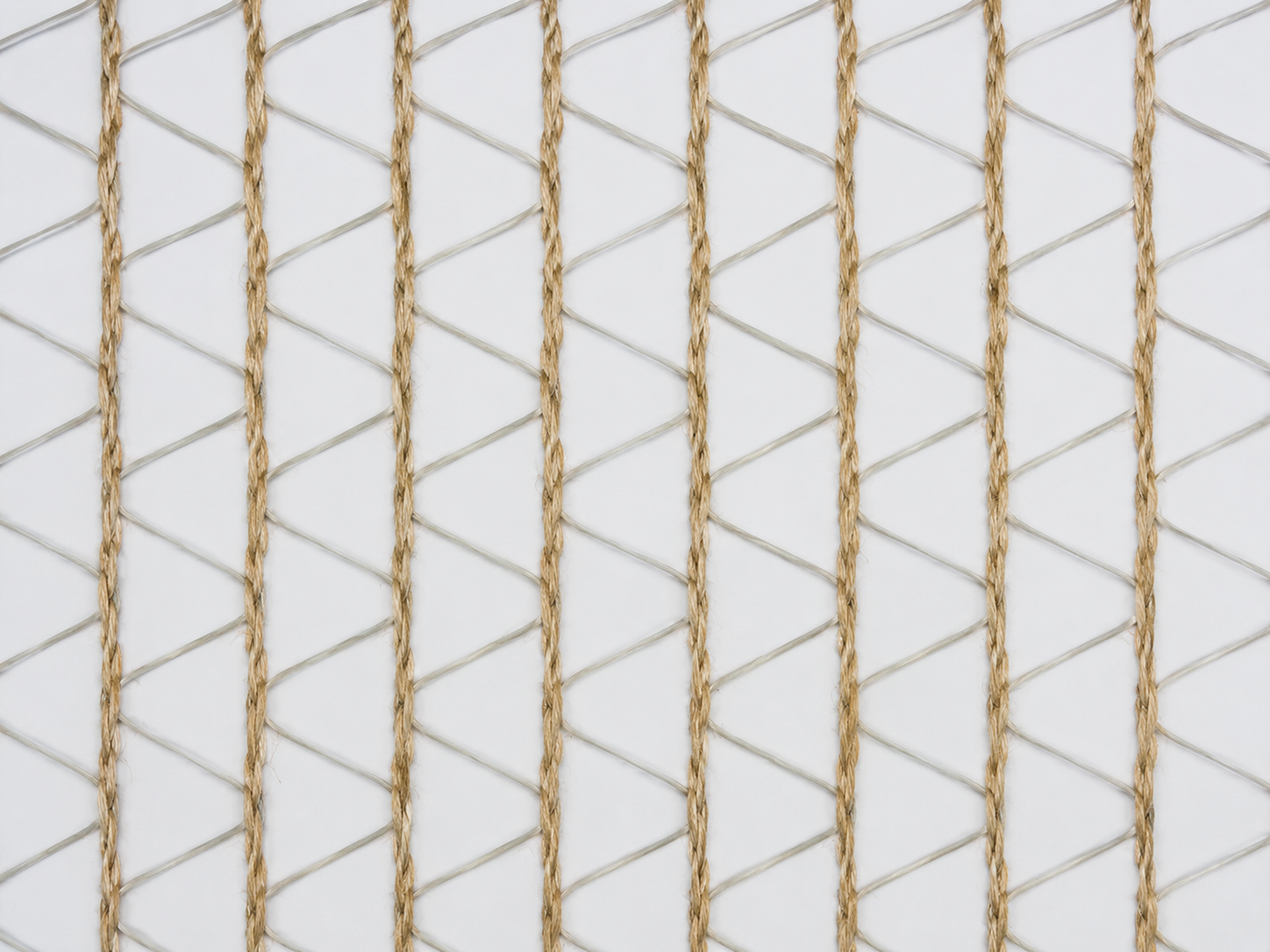
Key Features
• Natural Jute Fiber
• Digestible if Accidentally Ingested by Livestoc
• Suitable for Cattle, Sheep & Horses
• Secure Bale Holding
• Biodegradable Natural Material
How to Choose the Right Bale Netting
Choosing the right bale netting depends on your baling method, storage conditions, livestock feeding requirements and preferred material. Consider the following factors when selecting between HDPE bale net wrap and jute bale netting.
How to Choose the Right Bale Netting
✓ 1. Consider the Bale Type
For machine-wrapped round hay and straw bales, HDPE bale net wrap provides fast and uniform coverage.
✓ 2. Consider Livestock Feeding
For cattle, sheep and horse feeding applications, jute bale netting is a natural option and can be digested if accidentally ingested with forage.
✓ 3. Consider Storage Conditions
HDPE bale net wrap offers excellent moisture resistance and durability, making it suitable for handling, transportation and longer-term storage.
✓ 4. Choose the Right Material
Choose HDPE for strength, efficiency and weather resistance, or jute for a natural and biodegradable bale netting solution.
Frequently Asked Questions
Here are answers to common questions about bale netting, including HDPE bale net wrap, jute bale netting, applications, storage and material selection.
1. What is the difference between HDPE bale net wrap and jute bale netting?
HDPE bale net wrap offers high strength, moisture resistance and efficient machine wrapping. Jute bale netting is made from natural fiber and is biodegradable, making it suitable for applications where a natural material is preferred.
2. Which bale netting is better for round hay bales?
HDPE bale net wrap is commonly used for machine-wrapped round hay and straw bales because it provides fast, uniform coverage and helps maintain bale shape during handling, storage and transportation.
3. Is jute bale netting suitable for livestock feeding?
Jute bale netting is commonly chosen for livestock feeding applications because it is made from natural plant fiber. If small amounts are accidentally ingested with forage, the natural fiber can break down through the animal's digestive process.
4. Is HDPE bale net wrap weather resistant?
Yes. HDPE bale net wrap provides good moisture and weather resistance and is suitable for outdoor handling, transportation and storage. UV-stabilized options can provide additional protection for extended outdoor use.
5. How do I choose between HDPE and jute bale netting?
Choose HDPE bale net wrap when strength, fast machine wrapping, weather resistance and transportation efficiency are priorities. Choose jute bale netting when you prefer a natural, biodegradable material, particularly for livestock-related applications.
6. Can bale netting sizes and specifications be customized?
Yes. Bale netting can be supplied in different widths, roll lengths, mesh specifications and packaging options according to baling equipment and application requirements.